

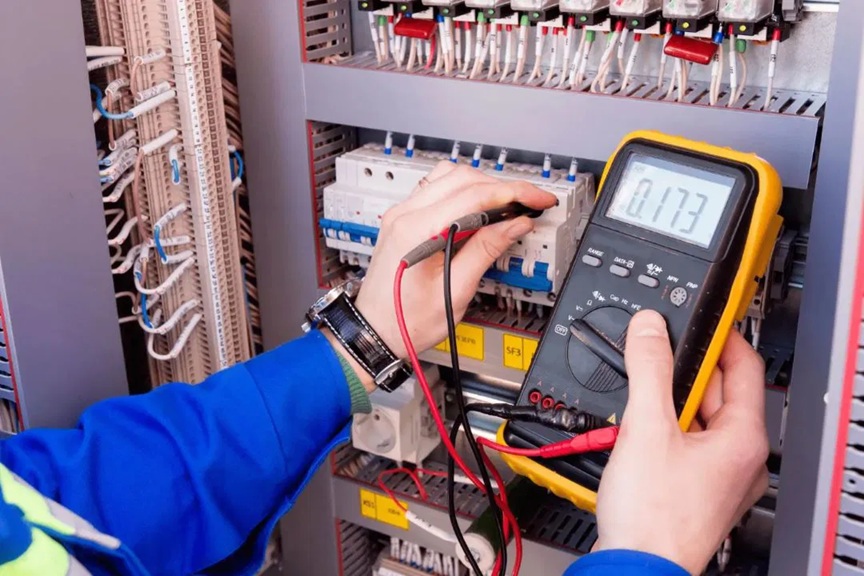
Lew certification is more than a qualification it is a mark of responsibility in a city that thrives on energy, technology, and order. In Singapore, where every light that glows and every machine that hums depends on electricity, this certification becomes a covenant between the individual professional and the society that entrusts them with safety. Like a physician’s licence in medicine, it signals readiness, competence, and accountability.
The Nature of LEW Certification
At its essence, lew certification is a recognition by the authorities that an individual is prepared to take charge of electrical systems. It grants not just permission but also the weight of duty.
· Authorisation: Only those who hold the certificate may design, operate, and maintain certain categories of electrical installations.
· Safety assurance: It signifies the ability to prevent faults that could endanger lives or disrupt business.
· Public trust: Certification creates a bond of reliance between the professional and the public.
As one guideline frames it, “The Licensed Electrical Worker safeguards not only installations but the confidence of an entire community.”
Why Singapore Requires Certification
Singapore is a dense and electrified environment. Buildings rise high, industries run continuously, and data centres operate around the clock. Without rigorous checks, electricity could become a silent hazard. LEW certification is therefore woven into the framework of regulation to ensure that risk is minimised.
· Protection of life and property: Preventing fires, shocks, and breakdowns.
· Compliance with national standards: Aligning practice with established safety codes.
· Resilience of infrastructure: Ensuring energy systems remain reliable.
The certification acts as a gate, holding back unqualified practice in the interest of collective safety.
Categories of LEW Certification
Not all certifications are identical. They differ in scope, reflecting the complexity of installations the holder may manage.
· Electrician: Permitted to handle domestic and small commercial wiring.
· Electrical Technician: Authorised to oversee larger capacity systems, often industrial in scale.
· Electrical Engineer: Entrusted with high-voltage and complex electrical networks.
Each category carries its own expectations. Together, they create a hierarchy of skill and responsibility that ensures order in a highly interconnected system.
The Path to Becoming Certified
To gain LEW certification is to undergo a process marked by study, practice, and examination.
· Academic preparation: A degree or diploma in electrical engineering or a related field.
· Practical experience: Years of supervised work to develop judgement in real-world settings.
· Examination: Rigorous written and practical tests to prove both technical mastery and regulatory knowledge.
· Application and review: Submission of documents, references, and fees to complete the process.
The journey filters candidates, ensuring that only those with both competence and discipline achieve certification.
Responsibilities of a Certified LEW
Certification, once earned, is not symbolic. It demands active responsibility. A Licensed Electrical Worker must:
· Inspect and maintain electrical systems regularly.
· Approve new installations before they are energised.
· Record and report activities in accordance with regulatory requirements.
· Respond to failures and emergencies with precision.
As one practitioner reflected, “The certificate is not merely paper. It is a reminder that human lives depend on every decision we make.”
Consequences of Neglect or Misuse
Certification can be withdrawn if responsibilities are ignored. The consequences extend beyond personal loss.
· Legal penalties: Revocation or fines for violations.
· Professional damage: Loss of trust within the industry.
· Public risk: Failures that might harm both property and people.
Neglecting the duty of certification is akin to breaking a vow. It erodes the very foundation of safety.
Renewal and Lifelong Learning
Certification is not permanent. It must be renewed periodically to ensure practitioners remain current with advances in technology and changes in regulation.
· Continuous professional development is expected.
· Renewal applications require evidence of competence and compliance.
· Deadlines must be observed to prevent lapses.
In this way, lew certification is both a beginning and a continuity a cycle of learning and accountability.
Challenges in a Changing World
The role of the LEW evolves as technology advances. Smart grids, renewable energy systems, and electric vehicles all bring new challenges. Certification prepares individuals not only for today’s installations but for tomorrow’s frontiers.
The challenge is not merely technical. It is ethical. To be certified is to accept that safety must grow alongside innovation. As energy systems become more intelligent and interconnected, the responsibility of the LEW deepens.
Practical Guidance for Aspiring Applicants
For those considering the path to LEW certification, preparation and foresight are crucial.
· Gather academic qualifications and work records early.
· Seek mentors who have walked the path before.
· Study both technical and regulatory aspects diligently.
· Treat the certification as a calling, not just a credential.
Like any profession of consequence, it is not just about knowledge but about character.
Conclusion
LEW certification is not a formality it is a pledge of competence and vigilance. In Singapore, where electricity powers every aspect of daily life, the certification sustains the delicate balance between progress and safety. It affirms that those who touch the systems of power do so with authority, preparation, and responsibility.
As Siddhartha Mukherjee might observe, it is a kind of contract between society and its guardians. Each certificate speaks of hours of study, years of practice, and a commitment to lives unseen yet profoundly affected. And so, in every lit corridor, humming machine, and glowing skyline, the assurance remains anchored in lew certification.
