

Introduction:
In a world where security threats are changing at an alarming rate, the use of traditional monitoring systems is no longer a good solution. Smart alerts have become an important part of the contemporary security infrastructure. Smart alerts offer real-time, data-driven alerts, unlike traditional alarms which only alert about an incident, which allow taking immediate and informed actions.
Real-Time Threat Detection
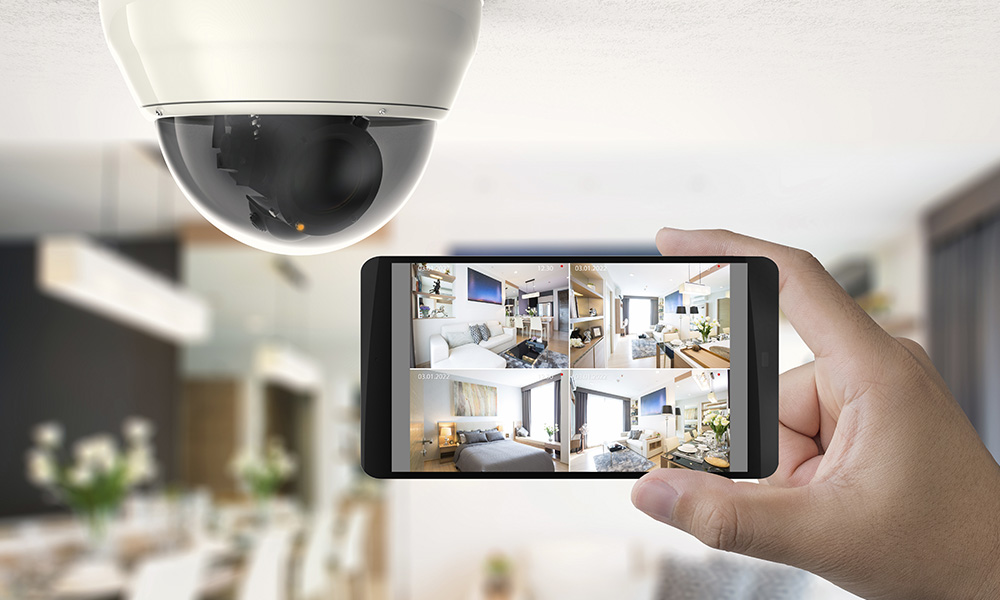
Real-time threat detection is one of the main methods that smart alerts lessen the risks of security breaches. live monitoring alerts and notifications allow property owners to receive immediate updates when suspicious activity occurs. Products like Google Nest Cam and Ring Doorbell notify users as soon as movement is detected or when a visitor is near the building. Rather than realising that they have been intruded upon later, property owners get real-time notifications on their smartphones. This quick communication enables them to analyse the situation, issue alerts to intruders via two-way audio, or contact the authorities in time.
The smart surveillance systems can detect suspicious behaviour patterns, attempts of unauthorised access, or violations of restricted areas in corporate settings. These systems help to avert the occurrence of incidents that may lead to a full-fledged security breach since they alert security personnel instantly.
SmartFiltering and Fewer False Alarms.
The conventional security systems tend to produce high levels of false alarms with consequent complacency or delayed reactions. Smart alerts, on the other hand, rely on artificial intelligence and machine learning algorithms to distinguish between a benign activity and an actual threat. As an example, AI-powered cameras will be able to differentiate between a moving car and an individual trying to enter a restricted zone.
Through this smart filtering users only get relevant notifications. Smart alerts will keep the user on track by minimising false alarms and make sure that in the event of a genuine threat, they jump into action. Consequently, the response times become better, and the general risk of breach reduces.
Quickened Incident Response and Containment.
Time is a very important aspect in the case of security incident. Smart alerts reduce the response time greatly. Systems can instantly report to IT teams on suspicious network usage, malware, or abnormal login attempts in a cybersecurity setting. Fast notifications enable teams to put isolated systems under control, revoke credentials, and block malicious IP addresses before attackers can gain more access.
Likewise, in the physical security setup, instant warning will allow the facility managers to impose lockdown measures or send security units to the scene in real time. Premature containment prevents possible damage, the loss of finances, and reputation damage.
Remote Control and Empowerment of the User.
Smart alerts enable users to have remote control and visibility. Users can view live feeds, get instant updates, and make decisions regardless of their location whether it is surveillance of a residential area or management of several business locations. Such a level of connectivity means that security is not entirely left to the on-site staff.
A combination of real-time detection, intelligent filtering, rapid response, and remote accessibility creates a proactive prevention mechanism instead of a reactive mechanism, that is, smart alerts.
Conclusion
Smart alerts are also important in curbing the risk of a security breach since they provide relevant, precise, and actionable information in time. The fact that they can monitor threats in real time, reduce false alarms and provide quick response empowers physical and digital security systems.
