

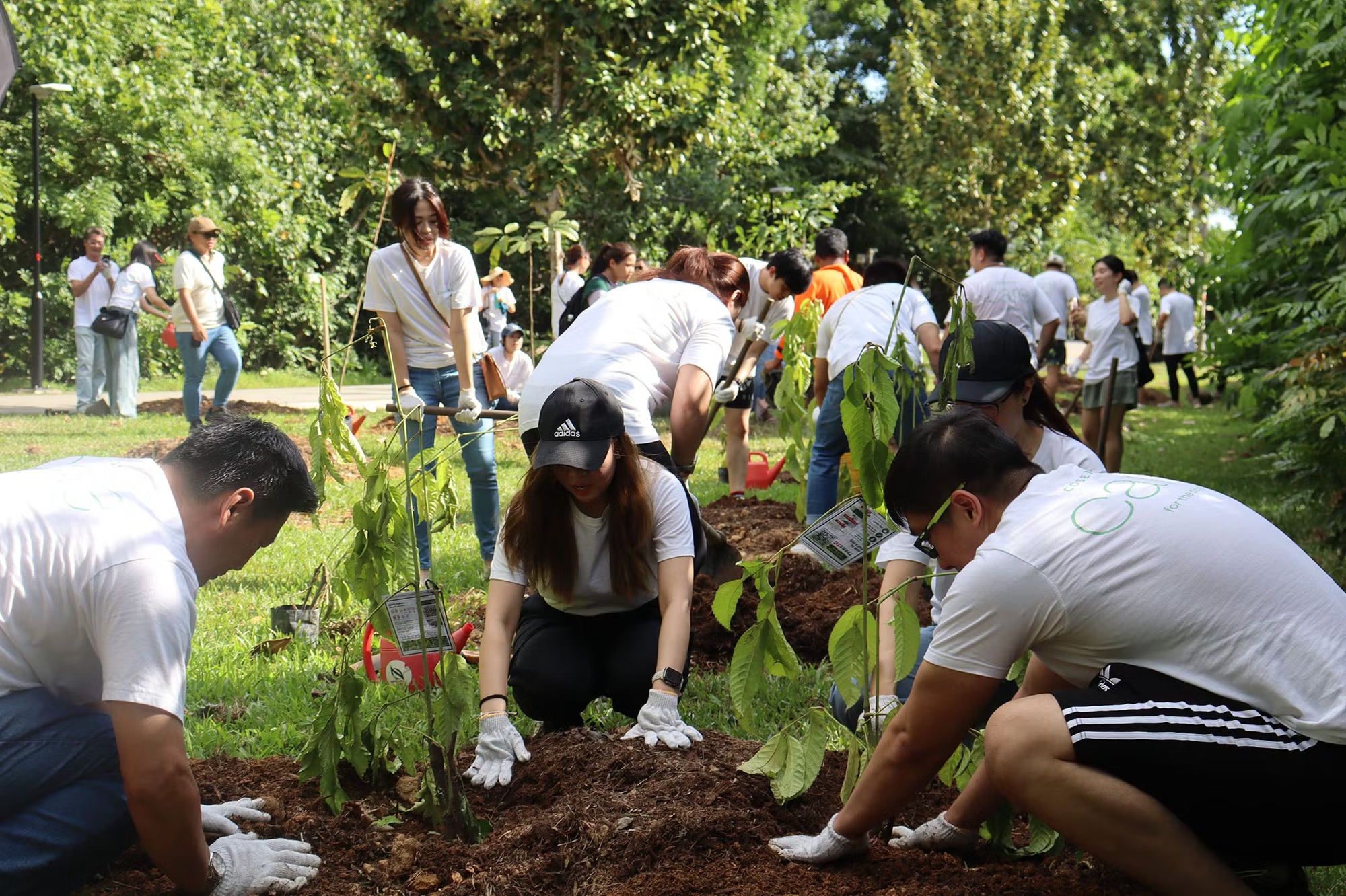
When we examine the profound impact of tree planting in Singapore, we discover far more than an environmental initiative; we uncover a powerful tool for social equity, community building, and urban justice that reaches into every neighbourhood across this remarkable island nation. The simple act of placing a sapling into soil carries within it the potential to reshape not just landscapes, but the very fabric of how communities connect, thrive, and endure.
The Democracy of Shade: Equal Access to Nature’s Benefits
In Singapore’s dense urban environment, trees represent more than aesthetic enhancement; they function as essential infrastructure that determines the quality of life for residents across all socioeconomic levels. The strategic placement of trees creates microclimates that reduce energy costs, improve air quality, and provide respite from tropical heat, benefits that should reach every citizen regardless of postcode or economic status.
Research demonstrates that neighbourhoods with robust tree coverage experience temperature reductions of up to 4°C compared to areas with sparse vegetation, creating substantial impacts on public health and energy consumption for local families.
“Tree planting initiatives must prioritise equity,” emphasises a community development specialist working in Singapore’s heartland areas. “When we plant strategically, we’re not just greening spaces, we’re creating opportunities for healthier, more connected communities.”
Beyond Aesthetics: Trees as Community Infrastructure
The most successful arboricultural programmes understand that tree establishment serves multiple community functions:
• Natural gathering spaces that bring residents together
• Neighbourhood identity through defining community boundaries
• Educational opportunities fostering shared environmental stewardship
• Shade provision targeting areas where residents gather naturally
• Food security benefits through fruit-bearing varieties for families
• Cultural significance of honouring trees meaningful to diverse ethnic communities
The Science of Strategic Planting
Successful urban forestry requires understanding how tree species interact with Singapore’s environment and social dynamics. Strategic tree placement delivers multiple measurable benefits:
• Stormwater reduction by up to 60%, preventing flooding in vulnerable communities
• Temperature control creates 4°C cooler microclimates in dense urban areas
• Air quality improvement, reducing pollutants that affect respiratory health
• Mental health enhancement through increased access to nature
• Property value increases, benefiting homeowners across all income levels
Overcoming Historical Inequities
Singapore’s rapid urban development has sometimes resulted in uneven distribution of green amenities across different neighbourhoods. Contemporary tree planting efforts increasingly focus on addressing these historical imbalances, ensuring that mature housing estates receive attention comparable to newer developments.
Community advocates have documented significant disparities in tree coverage between different residential areas, with some neighbourhoods enjoying canopy coverage exceeding 40% whilst others struggle with less than 15%. These disparities affect everything from pedestrian comfort to children’s access to nature-based learning opportunities.
Grassroots Mobilisation: Empowering Community Action
The most transformative tree establishment initiatives emerge from community-driven advocacy rather than top-down planning. Residents who organise around urban forestry create lasting change that extends beyond individual planting events to encompass ongoing stewardship, neighbourhood pride, and intergenerational environmental education.
Successful community organising around urban forestry follows patterns that strengthen the social fabric whilst improving environmental conditions:
• Inclusive planning processes welcoming input from all residents
• Educational workshops building local tree care expertise
• Intergenerational participation connecting seniors with young families
• Cultural celebration incorporating planting into community festivals
• Advocacy training empowering effective government engagement
Economic Justice Through Environmental Investment
Tree planting programmes represent significant public investments that should benefit all residents equitably. Analysis of Singapore’s urban development patterns reveals how strategic forestry can address economic disparities by creating conditions that attract businesses, improve public health outcomes, and enhance neighbourhood desirability.
“When we invest in comprehensive tree programmes, we’re investing in community resilience,” notes an urban planning researcher. “Trees become catalysts for broader improvements that benefit everyone, particularly those who have historically had less access to quality green spaces.”
Policy Frameworks That Support Community Needs
Singapore’s approach to urban forestry increasingly recognises the connection between environmental policy and social equity. Recent government initiatives demonstrate growing awareness that tree establishment must address community needs holistically rather than focusing solely on ecological outcomes.
Effective policy frameworks balance environmental science with community advocacy, ensuring that tree selection, placement, and maintenance align with residents’ daily lives and long-term aspirations for their neighbourhoods.
Building Coalitions for Lasting Change
The most effective urban forestry advocates understand that sustainable change requires building coalitions that transcend traditional boundaries. Successful tree establishment brings together environmental scientists, community organisers, government officials, and residents in partnerships that address root causes of environmental inequality whilst creating beautiful, functional green spaces.
These collaborative approaches recognise that trees alone cannot solve complex urban challenges, but strategic tree establishment can serve as a foundation for broader community empowerment and environmental justice initiatives.
Measuring Success Through Community Impact
Evaluating tree establishment effectiveness requires metrics beyond survival rates:
• Community engagement levels in ongoing tree stewardship programmes
• Social cohesion improvements measured through neighbourhood interaction
• Equitable access, ensuring environmental benefits reach all residents
• Civic participation increases following tree planting initiatives
• Inter-ethnic relationships strengthened through collaborative environmental projects
The Path Forward: Sustainable Community Forestry
Singapore’s future as a truly equitable garden city depends on continued commitment to tree establishment serving all residents whilst protecting biodiversity. This vision requires ongoing collaboration between government agencies, community organisations, and residents committed to environmental justice.
As Singapore continues evolving its approach to urban sustainability, the lessons learned from community-centred tree establishment provide blueprints for addressing broader challenges around climate adaptation, social equity, and democratic participation in environmental decision-making. The transformative power of strategic tree planting demonstrates how environmental stewardship and social justice advance together toward a more equitable future.
