

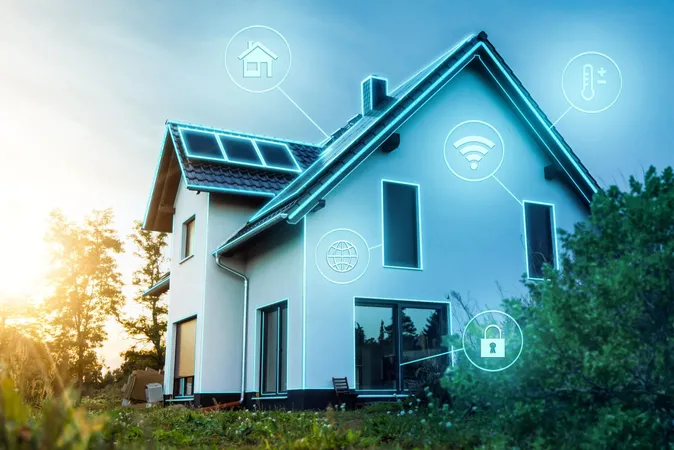
INTRODUCTION
For a long time, smart home technology seemed like an incomplete idea. The devices were impressive, but using them often felt complicated. Homeowners had to juggle different apps, systems, and setup processes. Instead of simplifying life, smart homes often added frustration.
That disconnect arose from how the technology was introduced, not from what it could do.
WHY EARLY SMART HOMES FELL SHORT
Most homes were never designed with connected technology in mind. Builders focused on finishing projects on time and on budget, treating smart features as optional extras, and this approach often extended to areas like smart home outdoor technology. These features were usually added after construction or completely left to the homeowner.
This approach led to inconsistency. Devices didn’t always work well together. Installations varied from house to house. When problems cropped up, fixing them was often difficult. Over time, many homeowners stopped using the features they had initially paid for.
A DIFFERENT WAY TO BUILD
Some builders are now changing their approach. Instead of layering technology on finished homes, they are integrating smart systems during construction. These setups are planned ahead and use components designed to function as a single system.
This makes the process easier. Contractors follow familiar installation steps. Builders face fewer callbacks. Homeowners move into homes that are already connected and functional. There’s no complicated onboarding. No guesswork. It’s not flashy, but it works.
HOMES THAT NOTICE PROBLEMS EARLY
Modern smart systems focus less on novelty and more on awareness. They track how a home behaves. Water usage, airflow, temperature fluctuations, and energy consumption are continuously monitored. This helps identify issues before they become costly. A small leak can be detected early. Filters are replaced when performance drops rather than waiting for a reminder. Heating and cooling systems adjust based on actual demand. Over time, these small corrections accumulate.
ENERGY USE YOU CAN ACTUALLY UNDERSTAND
Energy efficiency is often discussed in vague terms, but smart homes make it visible. Homeowners can see how and when they use energy instead of relying on labels or estimates.
Patterns become clear. Peak usage becomes apparent. Making adjustments gets easier. As efficiency standards evolve, this type of direct insight might become more significant than official ratings.
COMFORT IS BECOMING THE PRIORITY
Smart homes are also focusing more on indoor comfort. Air quality, humidity, lighting, and temperature affect daily well-being. Yet, these factors are often overlooked until something feels amiss. With better monitoring, homes can respond automatically. Conditions remain balanced. Comfort improves without constant manual adjustments. The technology blends into the background, which is what most people want.
CONCLUSION
The future of smart homes isn’t about adding more devices. It’s about designing homes that quietly support everyday life. When technology is built in from the start and used thoughtfully, it stops feeling like technology at all. It simply becomes part of how a home operates.
