

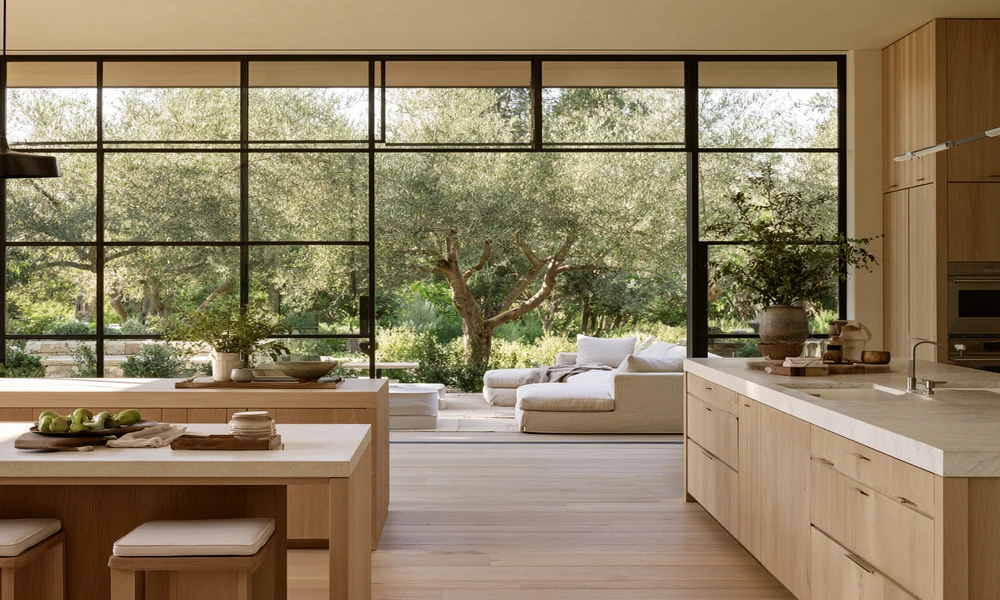
An oak kitchen cabinet can bring warmth, texture, and character into a kitchen. But choosing oak is not as simple as picking a wood color you like. Different types of oak can create very different results.
Some oak has strong grain lines and a traditional feel. Other types look softer, lighter, and more modern. Even two cabinets made from the same oak species can look different because of how the wood is cut and finished.
Before you order cabinets, it helps to understand these differences. The right choice can make your kitchen feel natural and timeless instead of dated or too busy.
Why Oak Is Still a Strong Choice for Kitchen Cabinets
Oak has been used for cabinets and furniture for generations, and there are practical reasons for that. It is a hardwood that handles everyday use well. Its visible grain also gives cabinets a natural appearance that manufactured materials often try to copy.
Modern oak kitchens, however, do not have to look like the golden oak kitchens of decades ago.
Today’s oak kitchen cabinet designs often use simple doors, natural finishes, soft stains, and clean hardware. These details allow the beauty of the wood to become part of a modern kitchen rather than making the room feel old-fashioned.
The first decision is usually which type of oak to choose.
Red Oak: Bold Grain and Plenty of Character
Red oak is one of the most familiar cabinet woods. Despite its name, it is not always strongly red. Its natural color can range from pale tan to warm brown with pink or reddish undertones.
What makes red oak easy to recognize is its grain.
The grain is usually open and noticeable, with sweeping patterns across the wood. This creates movement and makes each cabinet door look slightly different.
Red oak can be a good option when you want:
- Strong natural wood character
- A warmer kitchen palette
- Visible grain patterns
- A traditional, rustic, or casual style
- Wood that works with many stain colors
The biggest issue is that red oak can become visually busy when used across a large kitchen. If you want a cleaner appearance, consider simple slab or Shaker-style doors instead of decorative raised panels.
A lighter, less orange finish can also give red oak a fresher look.
White Oak: Softer, Calmer, and Increasingly Popular
White oak has become a favorite in contemporary kitchen design.
Compared with red oak, its color usually leans more toward beige, tan, and soft brown. It often has fewer pink or red tones. The grain can still be clearly visible, but the overall appearance may feel calmer.
A white oak kitchen cabinet works especially well in kitchens inspired by Scandinavian, organic modern, transitional, or minimalist design.
Natural and pale finishes can highlight the wood without dramatically changing its original color.
White oak pairs beautifully with materials such as white quartz, marble-look surfaces, warm metals, black hardware, and neutral tile.
However, simply ordering “white oak” does not guarantee a quiet grain pattern. How the lumber is cut matters almost as much as the species.
Plain-Sawn Oak: The Classic Oak Pattern
Plain sawing, sometimes called flat sawing, is a common way to cut lumber from a log.
This method often creates the familiar cathedral-shaped grain patterns associated with oak. These patterns can be wide, curved, and highly visible.
Plain-sawn oak tends to have more visual movement than other cuts. It can work beautifully when you want the wood itself to become a major design feature.
It is often a good fit for farmhouse, traditional, rustic, and warm transitional kitchens.
On the other hand, homeowners seeking a very clean or understated oak kitchen cabinet may find the grain too active.
That leads to another popular choice: quarter-sawn oak.
Quarter-Sawn Oak: Straighter Grain With Distinctive Detail
Quarter-sawn oak is produced by cutting the log differently. The process creates straighter grain lines and can reveal distinctive natural markings in the wood.
The result feels more controlled than the large cathedral patterns commonly seen in plain-sawn boards.
Quarter-sawn white oak has a long history in furniture and Craftsman-style interiors, but it can also look excellent in modern kitchens.
It is worth considering when you want:
- Straighter grain
- Rich natural texture
- A handcrafted appearance
- Less of the classic cathedral pattern
- Cabinets with strong wood character but more visual order
Quarter-sawn oak may cost more because the cutting process is less efficient. For the right kitchen, though, the grain can make a major difference.
Rift-Sawn Oak: The Clean, Modern Option
If you like oak but want the grain to look as straight and consistent as possible, rift-sawn oak deserves attention.
Rift sawing produces narrow, mostly linear grain patterns. Instead of large curves running across a cabinet door, the grain tends to travel in cleaner lines.
This makes rift-sawn white oak particularly popular for contemporary cabinetry.
On a flat-panel oak kitchen cabinet, the combination can look simple and architectural while still providing the warmth of real wood.
Rift-sawn material can be more expensive because producing those consistent boards creates more waste. It is often chosen for appearance rather than economy.
For a large kitchen, ask your cabinet supplier whether grain direction and matching can be controlled. Consistent grain placement can make an already attractive kitchen look much more polished.
Natural Oak vs. Stained Oak
The oak species and cut are only part of the decision. The finish can completely change what you see.
A clear or natural-looking finish allows the wood’s original tones to remain visible. This is popular with white oak because many homeowners want to preserve its soft, earthy color.
Stain can push oak lighter, darker, warmer, or cooler.
Dark brown stains can create a rich, dramatic kitchen. Medium stains bring out traditional warmth. Pale finishes can support a relaxed modern look.
Be careful with very heavy stains if you are paying extra for a beautiful grain pattern. A dark or opaque finish may hide some of the features that made the wood special in the first place.
Don’t Judge Oak From a Tiny Sample
A small wood sample is useful, but it cannot tell the entire story.
Oak naturally varies from board to board. One door may contain quiet straight grain while the next has more movement or a slightly different shade.
Before buying an entire oak kitchen cabinet set, ask to see a full-size cabinet door if possible.
Look at it vertically, since that is how you will see most cabinet fronts. Then view it under your actual kitchen lighting or similar lighting conditions.
Natural daylight, warm bulbs, and cool bulbs can all change the way oak appears.
Also ask how much natural variation you should expect across the finished cabinets.
Match the Oak Type to the Mood You Want
Instead of asking which oak is “best,” think about the feeling you want your kitchen to have.
For a warm and familiar space, red oak or plain-sawn oak may provide the character you want.
For a soft, natural kitchen, white oak with a light finish can work beautifully.
For a refined Craftsman or furniture-like look, quarter-sawn oak is worth exploring.
For a clean contemporary kitchen, rift-sawn white oak is often one of the strongest choices.
There is no single correct option. The best oak is the one whose color, grain, cut, and finish support the rest of your design.
Cabinet Door Style Changes Everything
Wood selection should never happen separately from door style.
A raised-panel oak door has many details competing for attention. Add strong grain and a warm stain, and the result can quickly become traditional.
A slab door does the opposite. Its simple surface gives the grain room to become the decoration.
Shaker doors sit somewhere between the two. They offer enough detail to add structure without overwhelming the natural wood.
If your goal is a modern oak kitchen cabinet, simpler door profiles are usually easier to work with.
What to Ask Before Ordering Oak Cabinets
Before placing an order, confirm exactly what you are buying. Ask the cabinet maker or supplier about the oak species, lumber cut, finish, door construction, and expected natural variation.
It is also useful to ask whether visible panels and doors will be grain matched and whether veneer is used in certain areas. Quality oak cabinetry may use both solid wood and real wood veneer depending on the component. Veneer is not automatically a sign of poor quality; when used correctly, it can provide stable surfaces and attractive grain.
The important thing is knowing what materials and appearance you are paying for.
Final Thoughts
Choosing an oak kitchen cabinet becomes much easier once you stop thinking of oak as one single look.
Red oak offers bold grain and warmth. White oak usually feels softer and more neutral. Plain-sawn boards create classic flowing patterns, while quarter-sawn oak offers straighter grain with distinctive character. Rift-sawn oak delivers an especially clean, linear appearance.
Then there are stains, finishes, door styles, hardware, and surrounding materials to consider.
Take time to compare full-size samples rather than making the decision from a small color chip. Look closely at both the color and the grain.
The right oak cabinet does more than provide storage. It adds natural texture that can make an entire kitchen feel warmer, richer, and more thoughtfully designed.
