

Wildfire events often present structural challenges that extend well beyond the reach of direct flames. Even when a house is not consumed by fire, the surrounding environment experiences significant temperature fluctuations that can compromise building components. Understanding wildfire heat damage requires analyzing how physical energy transfers through air and radiation to impact residential exteriors. Residents must recognize that prolonged exposure to extreme temperatures can weaken materials even without immediate ignition.
Radiant heat exposure versus direct flame contact
Radiant heat travels as electromagnetic waves, striking surfaces with enough intensity to degrade materials long before a flame front arrives. This process involves a direct transfer of energy that ignores physical barriers, often scorching siding or cracking window glass from substantial distances. The intensity of this radiation depends heavily on the distance from the fire and the length of the exposure period.
Thermal fatigue and material molecular degradation
Materials respond to heat by expanding and contracting, a common cycle that induces thermal fatigue over time. When siding or roof components are repeatedly heated and cooled during a fire, their molecular structures can reorganize, leading to brittleness and loss of tensile strength. Such unseen damage often means that materials lose their structural integrity and weather resistance, even if they appear visually intact at first glance.
Convection currents and convective air heating
Hot gases generated by wildfires rise and travel through the air, creating powerful convection currents that envelop structures in heated plumes. These currents force hot air into attic spaces, under siding, and through roof eaves, bypassing exterior defenses. This form of heating is particularly effective at pre-heating potential fuels, making the home’s structure significantly more susceptible to ignition once a spark or ember landing occurs.
Assessing the impact on roofing materials
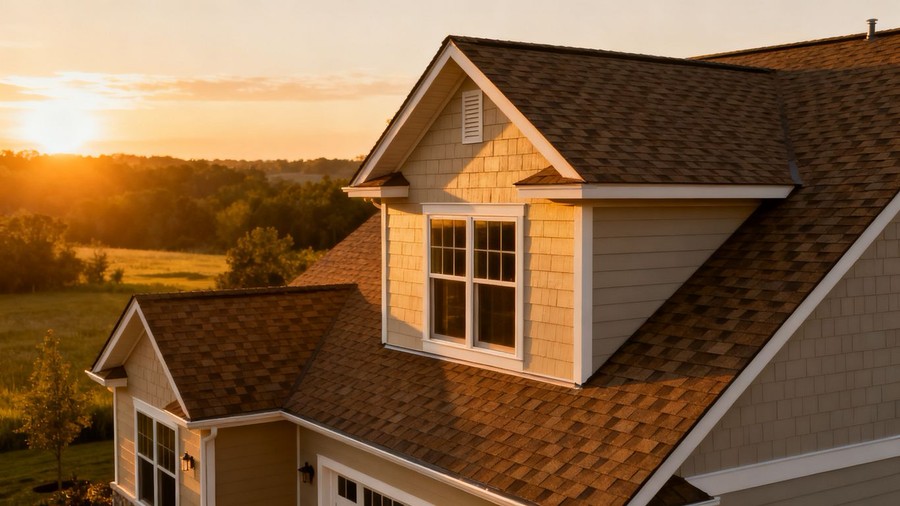
Roofing systems represent the most exposed part of any structure, making them primary targets for intense thermal energy. A professional assessment using wildfire property damage insights is necessary to determine if materials have reached their failure point. Identifying these issues early helps ensure that the building remains water-tight and secure throughout the repair process.
Asphalt shingle degradation and bitumen melting
Asphalt shingles consist of organic and inorganic compounds that soften remarkably under high temperatures. When exposed to extreme radiation, the bitumen layer can bubble or melt, causing the protective granular coating to flake off. This degradation ruins the shingles’ reflective properties and drastically reduces their overall lifespan by exposing the underlying material to harsh UV light.
Metal roofing deformation and fastener failure
While metal is inherently more fire-resistant than asphalt, it is highly susceptible to heat-induced deformation. Rapid heating causes metal panels to expand and contract unevenly, often leading to ripples in the surface. These movements place immense stress on fasteners, which can pull away from the roof deck, compromising the entire weather barrier of the building.
Impact of heat-induced contraction on roof flashing
Roof flashing, designed to keep water out of joints, often fails when exposed to extreme temperature spikes. When the heat subsides, the metal may not reset exactly into its previous position, leaving gaps that allow moisture infiltration. Inspectors often categorize the following signs of failure related to flashing or fasteners:
- Loosening of nail or screw fasteners within roof valleys.
- Deformation of metal drip edges causing edge curling.
- Gaps appearing in chimney seals where metal meets masonry.
- Loss of sealant adhesion leading to premature weathering.
Properly secured FireSafe architectural shingles or metal systems can reduce some of these risks, yet careful observation of these failure points after a fire remains essential for long-term home maintenance.
Evaluating siding damage from exterior temperatures
Siding acts as the primary thermal shield for a home, yet it is rarely designed to withstand the intensity of a nearby inferno. High temperatures can force various siding types to lose their finish or dimensional stability long before they reach their flash point. Property owners should inspect their facades for subtle signs that materials have been exposed to high thermal stress and may no longer provide reliable protection against the elements.
Vinyl siding warping and localized melting
Vinyl cladding often shows the most immediate aesthetic and structural failure when confronted with heat. The material tends to sag, bubble, or completely liquefy, leaving the sheathing beneath exposed and vulnerable. Once warped, the individual panels can no longer be aligned to shed water effectively, necessitating a full replacement of the affected wall sections.
Wood siding charring and structural ignition risks
Wood, being organic, reacts to heat through a process of gradual dehydration and charring. While high-quality wood siding might withstand moderate heat, prolonged exposure causes the moisture content to drop to dangerous levels, turning the wall into potential kindling. Even if the siding does not ignite, a deep char often renders the material unsafe, as it can no longer effectively prevent flames from penetrating the wall cavity.
Fiber cement durability during high-heat events
Fiber cement is often selected by builders for its non-combustible nature, making it a reliable performer in extreme heat compared to plastic or wood. Still, while it resists burning, it can experience micro-cracking or finish degradation when subjected to intense radiant thermal energy. Utilizing ClimateShield siding boards in these applications provides durability that resists warping even under extreme environmental conditions.
How windows and glazing respond to extreme heat
Windows are the most fragile components of the building envelope, acting as conduits for both heat transfer and potential fire entry. When glass is subjected to rapid, uneven heating, physical changes often occur that destroy the airtight nature of the window assembly. Recognizing when glazing has failed is critical for maintaining internal safety and energy efficiency after an event.
Thermal stress fractures in glass panes
Glass expansion during heating starts at the center and moves toward the frame, which remains cooler and more rigid. This temperature gradient creates significant mechanical pressure within the single or double panes, often resulting in jagged stress fractures that traverse the glass. These fractures are not impact-related; they are purely the result of rapid temperature variations across the sheet.
Seal failure and insulating gas loss in double-pane units
Double-pane windows rely on a hermetic seal and an insulating gas fill to manage heat transfer effectively. Heat from a nearby fire can cause the gas to expand violently or the sealant to break down completely, resulting in a loss of the insulating barrier. Once the seal pops, condensation and fogging occur, permanently reducing the window’s ability to maintain a comfortable indoor climate.
Frame integrity and warping in uPVC and aluminum components
Window frames, particularly those made of uPVC, will soften and deform long before the glass itself shatters. This warping prevents windows from closing properly and breaches the seal between the window and the exterior wall. Installing ThermalGuard high-performance glass and frame systems can often provide better structural stability in designs intended to mitigate high heat transfer during nearby wildfire events.
Post-fire inspection and professional documentation
After a fire has passed, determining the extent of damage that cannot be seen by the naked eye is a top priority for homeowners. Ensuring a thorough evaluation is essential for long-term safety and financial recovery. This wildfire heat damage guide serves as a baseline for understanding what to look for and how to prepare for insurance interactions.
Identifying hidden structural vulnerabilities behind cladding
Many homeowners overlook damage that hides behind exterior finishes. Radiant heat can damage the house wrap, insulation, or wood sheathing without leaving clear marks on the outer material. Invasive inspections or borescope technology may be needed to ensure the wall assembly has not been compromised by heat-related drying or structural degradation.
Working with insurance adjusters to categorize thermal impact
Cooperating with an insurance adjuster requires clear documentation and a thorough understanding of the property’s pre-fire condition. It is vital to present technical reports that distinguish between normal wear and tear and damage caused specifically by extreme heat. Professional forensic reports help clarify the scope of loss, ensuring that all necessary repairs are included in the settlement process.
Safety protocols for inspecting fire-exposed exteriors
Safety is paramount when approaching a building that has been exposed to high heat. Structural components, including eaves, decks, and siding, may have been weakened and could collapse without warning. Professionals should wear appropriate protective equipment and approach the building with caution, avoiding any areas where the structural stability remains questionable or where hazardous debris is present.
Mitigation strategies to improve future heat resilience
Taking proactive measures can significantly lower the risk profile of a property in regions prone to wildland fires. By adjusting the materials used in home repairs and the landscaping surrounding the structure, homeowners can effectively defend their property from future radiant heat damage. Implementing resilience strategies is a long-term investment in structural protection.
Prioritizing fire-rated materials for exterior envelope replacement
When replacing damaged siding, roofing, or windows, focus on materials with high fire-performance ratings. Non-combustible sidings and Class A roofing systems are designed to resist the effects of embers and extreme radiant heat. Investing in these materials ensures that if a fire occurs again, the building fabric is fundamentally more prepared to resist ignition and structural failure.
Implementing exterior defensible zones to reduce radiation intensity
Creating a defensible space around the home significantly reduces the amount of heat radiation that reaches the exterior walls. By removing flammable vegetation and clearing debris, you widen the gap between potential fuel sources and your residence. This distance acts as a vital buffer, lower the overall thermodynamic impact that a fire front can exert on your structural envelope.
Retrofitting older home components against thermal radiation
For existing homes, retrofitting key components like eaves, vents, and window frames can prevent heat and embers from accessing your interior. Installing metal screening over vents and upgrading to upgraded glazing assemblies can drastically improve a building’s chance of surviving a wildfire. These targeted improvements often offer the highest return on investment for long-term structural security.
