

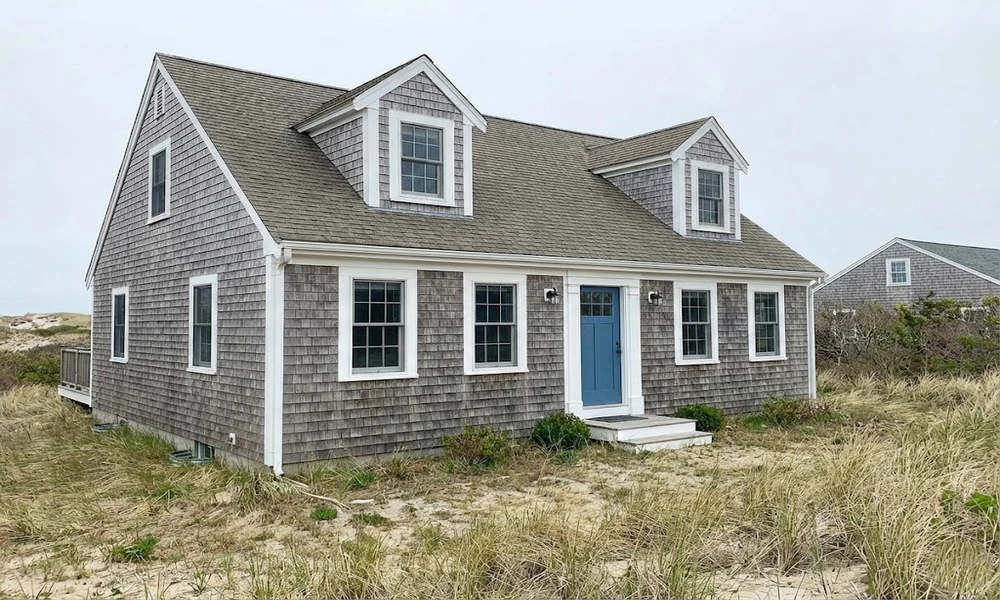
Most people judge siding from the curb. They look at the color, the profile, and whether the panels sit straight. That makes sense, because siding is the largest visible surface on most houses. But the boards and panels are only the outer skin of a layered wall. Behind them sit a water resistive barrier, flashing at every opening, and the sheathing that ties the frame together. When siding fails, one of those hidden layers usually gave out first.
Crews who strip old cladding off houses every week see this again and again. Exterior teams such as Beyond Exteriors often describe a tear off as reading the house’s history. They find stained sheathing under a leaky window, soft wood beside a downspout, and insulation pressed flat by years of damp. The panels on the outside can look fine through all of it.
Knowing what sits behind the panels helps you ask better questions and compare quotes fairly. It also helps you choose a material that suits your weather, not just the sample board.
Water Gets Behind Every Kind of Siding
No siding is waterproof. Wind pushes rain sideways into laps and seams. Water creeps upward through tight joints by capillary action. Nail holes, butt joints and trim gaps all let some moisture through.
A well built wall accepts this and plans for it. The siding sheds most of the water. The barrier behind it catches what slips past and steers it downward. A small gap between the two lets that water drain out at the bottom and lets the wall dry.
The barrier only works if it is lapped like shingles on a roof, upper layers over lower ones. Reverse that order at a single seam and water gets funneled straight into the wall. Many builders now add a rainscreen, a thin spacer or textured wrap that creates a clear drainage space. In wet climates that small gap can add years to the sheathing.
Flashing Is Where Most Wall Leaks Begin
If water damage shows up inside a wall, start by looking at the openings. Windows, doors, dryer vents, hose bibs and light fixtures all cut holes through the barrier. Each one needs flashing that sends water back outside.
The most common trouble spot is easy to miss. It sits where a lower roof edge meets a side wall. Without a small piece of metal called a kickout flashing, rain runs off the roof edge and pours straight behind the siding. Deck ledger boards bolted to the house cause similar problems when they lack proper flashing.
Trouble that has moved behind the siding usually shows up in a few ways:
- Paint peeling or bubbling on interior walls below windows
- Soft spots when you press on siding near lower corners
- Panels that bulge or ripple on one side of the house
- A musty smell in a closet along an outside wall
- Dark streaks running down the wall below roof edges
Trapped moisture also brings mold. The EPA’s guide to mold, moisture and your home makes it clear that the lasting fix is controlling the water, not just cleaning the surface. A new layer of siding over a wet wall only hides the problem.
Matching Material to the Weather
Regions with humid summers and freezing winters are hard on cladding. Boards soak up water, freeze, thaw and move. Each material handles that cycle differently.
Vinyl
Vinyl costs less, never needs paint and handles moisture well. It does expand and contract a lot with temperature. So installers must nail it loosely, letting each panel slide. Panels nailed tight will buckle on hot afternoons. Vinyl can also crack when struck in deep cold. Sunlight bouncing off energy efficient windows or a nearby grill can warp it.
Fiber Cement
Fiber cement barely moves with temperature and will not burn. It holds paint well and resists woodpeckers and insects. The tradeoffs are weight, cost and upkeep. It needs repainting every ten to fifteen years unless it has a factory finish. It also needs clear gaps above roofs, decks and soil so the ends don’t wick up water. Cutting it creates silica dust, so crews need proper saws and dust control.
Engineered Wood and Composites
These products give you a warm wood look at a lighter weight than fiber cement. Their weak points are cut ends and nail heads. If those are not sealed during installation, swelling can start within a few seasons.
Aluminum and Steel
Metal siding still shows up on many older homes and is coming back on modern designs. Steel resists hail better than aluminum. Both dent and can chalk as the finish ages.
Trends Shaping Siding Projects Now
Siding jobs are becoming energy projects too. With the old siding off, the wall is open, so many homeowners add rigid foam board over the sheathing. That continuous layer cuts the heat loss through studs, which batt insulation between them cannot stop.
Mixed materials are also popular. A house might use lap siding on the main walls, board and batten on a bump out, and shakes on the gables. Darker colors are more common now that vinyl makers have improved heat resistance. Insulated vinyl, with foam backing attached to the panel, adds stiffness and a little thermal value.
Interest in fire resistance keeps growing, even outside wildfire country. That has pushed more buyers toward fiber cement and metal.
Older Homes Add One More Step
Houses built before 1978 may have lead paint on original wood siding, trim or window casings. Tearing those off or sanding them sends lead dust into soil and open windows. Paid contractors working on these homes must follow the EPA’s Renovation, Repair and Painting Program. That means certified firms, containment and careful cleanup.
Some midcentury homes also have cement shingles that contain asbestos. They are generally safe while intact, but breaking them during removal is a different story. Testing a sample before any work begins avoids surprises halfway through the job.
Reading a Siding Quote With Fresh Eyes
Two quotes for the same house can differ a lot and still both be honest. The difference is often in what each one plans to do behind the panels.
A thorough quote says whether the old siding comes off or new siding goes over it. Covering old siding saves money but hides whatever damage is underneath. A good quote also names the barrier product and describes the flashing at windows, doors and roof lines. It should state a per sheet price for replacing rotted sheathing, since nobody can count bad boards until the wall is open. Trim, soffits and corner details belong in writing too, because those edges are where water looks for a way in.
Price matters, but the cheapest quote often leaves out the layers that keep a wall dry. The siding you see sets your home’s curb appeal for years. The layers you never see decide whether the wall behind it stays sound.
