

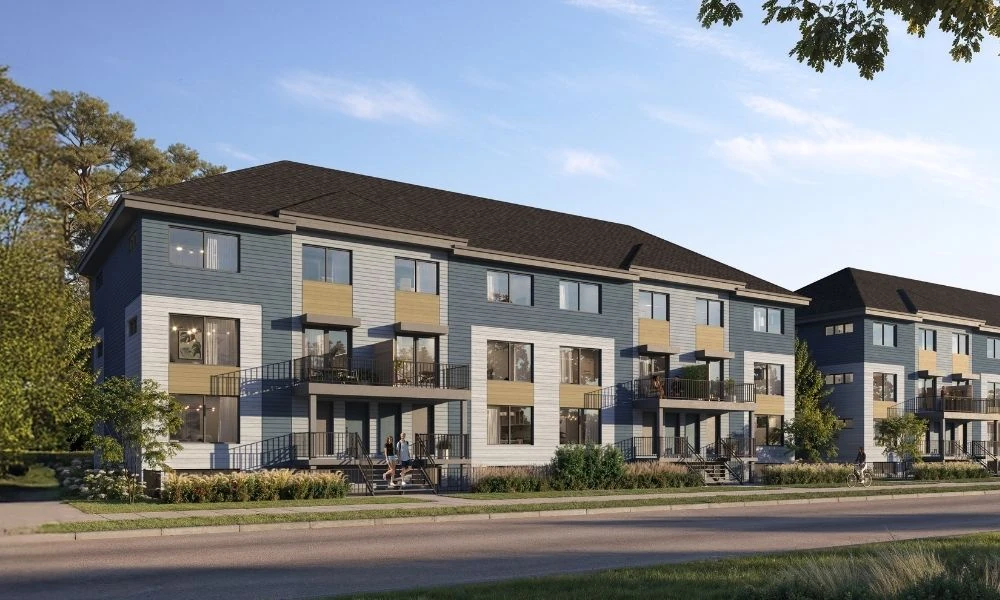
Infrastructure development is changing the way cities grow and how people choose their homes. New roads, railway connections, metro networks, flyovers, educational institutions, and commercial centres are creating fresh opportunities in developing residential locations. Areas that were once considered distant or less accessible are gradually attracting the attention of homebuyers and property investors. Developments such as Parkland Kalyan reflect the growing interest in residential destinations where improving connectivity and surrounding infrastructure are important considerations. As cities expand, infrastructure is becoming one of the biggest factors influencing residential growth.
1. Better Road Connectivity Encourages Residential Growth
Road connectivity plays an important role in the development of residential areas. New highways, road widening projects, bridges, and flyovers help connect developing neighbourhoods with established parts of a city. Better roads can reduce travelling difficulties and make it easier for residents to reach workplaces, schools, hospitals, and shopping destinations.
For working professionals, convenient road access can make a major difference in daily routines. Families also benefit from improved connectivity because essential services become easier to reach. As transportation networks improve, locations that previously received limited attention may become attractive options for people searching for comfortable housing.
2. Public Transportation Creates New Housing Demand
Railway networks, metro services, and improved bus connectivity can significantly influence residential preferences. People often prefer living in areas where they can access public transportation without depending entirely on private vehicles. This helps save commuting time and can make everyday travel more manageable.
Improved transportation infrastructure also encourages commercial activities around important transit points. Offices, retail outlets, educational institutions, and healthcare facilities may gradually develop in these areas, creating additional residential demand.
Projects such as Central Avenue represent the growing interest in residential opportunities that homebuyers explore while comparing developing urban locations. Buyers should consider the actual distance to transport facilities, available routes, and the progress of announced infrastructure projects before making a property decision.
3. Commercial Development Brings New Residential Opportunities
When new business centres, IT parks, industrial zones, and commercial hubs develop in an area, they can create employment opportunities and attract people from different locations. As more professionals move closer to their workplaces, the demand for nearby residential properties may increase.
This relationship between employment and housing is one of the important reasons why infrastructure development influences real estate markets. Areas with improving commercial activity can become attractive to families, working professionals, and first-time homebuyers.
For instance, Mahavir Tranquil Thane West is a residential project name that buyers may include in their research when exploring housing options around established urban locations. While comparing properties, buyers should evaluate nearby employment centres, road connectivity, social infrastructure, and the overall convenience of the neighbourhood.
4. Social Infrastructure Improves Everyday Living
Infrastructure development is not limited to roads and transportation. Schools, colleges, hospitals, shopping centres, entertainment facilities, and recreational spaces are equally important for creating complete residential neighbourhoods.
Families generally prefer locations where children can access educational facilities without long journeys and healthcare services are available within a reasonable distance. Shopping centres and local markets also make everyday activities more convenient.
The development of gardens, playgrounds, walking tracks, and community spaces can further improve the residential environment. These facilities help create neighbourhoods where people can balance their professional responsibilities with family time and recreational activities.
5. Emerging Locations Offer More Choices to Homebuyers
As established city centres become increasingly crowded, homebuyers are exploring emerging residential destinations that offer different property options and developing infrastructure. Such locations may provide opportunities to find homes that match different budgets, lifestyle preferences, and family requirements.
Meridian Shilphata is another project name that can be considered when researching residential opportunities in developing areas. Buyers should carefully examine existing connectivity, nearby facilities, project approvals, construction progress, and future infrastructure plans rather than making decisions based only on proposed developments.
Emerging locations can offer potential advantages, but buyers should always distinguish between completed infrastructure and projects that are still planned or under construction.
6. Infrastructure and Long-Term Property Value
Infrastructure improvements can influence the attractiveness of residential locations over time. Better connectivity, employment opportunities, and social facilities may increase interest from potential buyers. However, property appreciation is never guaranteed and depends on market conditions, supply, demand, project quality, and actual infrastructure completion.
Therefore, buyers should research the development history of an area, understand its current condition, and compare multiple residential projects before investing.
Conclusion
Infrastructure development is creating new possibilities for residential growth by connecting neighbourhoods, improving accessibility, and bringing essential facilities closer to people. From better roads and public transportation to commercial hubs and educational institutions, these improvements are shaping the future of urban living.
For homebuyers, the right decision involves looking beyond the apartment and understanding how the surrounding location is developing. A home in a well-connected and thoughtfully developing neighbourhood can offer greater everyday convenience and a more comfortable lifestyle.
