

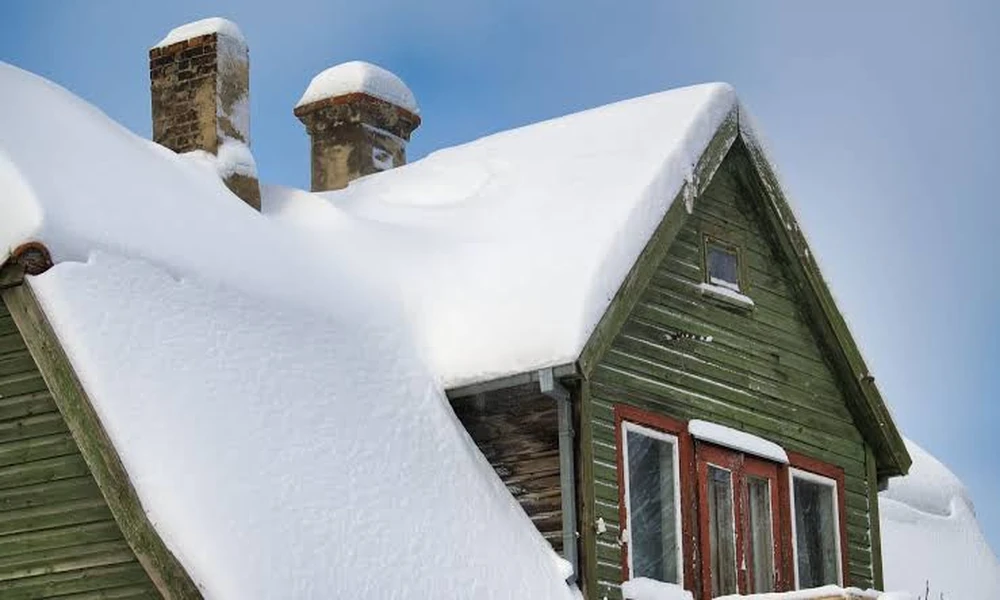
Every Vermonter checks the snow report. Base depth, fresh powder, wet or dry. Your roof deserves the same attention, because the snow that makes a ski day great is the same snow your roof has to carry, shed or survive for months.
This guide reads the conditions the way a ski report does, for each roof material: what the snow does, where it goes, and what to watch for. It draws on FEMA’s Snow Load Safety Guide, and it’s the kind of thinking a Vermont contractor like Blue Sky Roofing, a family-owned company that installs asphalt, standing seam metal, cedar and synthetic slate roofs, brings to every estimate.
Today’s Conditions: How Heavy Is the Snow?
The first number on any report is depth, but for roofs the number that matters is weight. In its Snow Load Safety Guide, FEMA says that a foot of fresh snow can weigh anywhere from 3 pounds per square foot for light, dry snow to 21 pounds per square foot for wet, heavy snow. It even notes that a foot of snow in Utah doesn’t weigh the same as a foot in Vermont, since eastern snow tends to be wetter and denser.
Quick snow math: a 1,000 square foot section of roof under a foot of snow carries about 3,000 pounds if the snow is light and dry, and about 21,000 pounds if it’s wet and heavy.
Two more facts from FEMA are worth remembering:
- Ice is heavier still. One inch of ice weighs a little under 5 pounds per square foot, and a foot of ice about 57.
- Roof snow isn’t ground snow. FEMA stresses that a foot of snow on the ground doesn’t equal a foot on the roof, because drifting and sliding change where it piles up.
Trail Map: Where the Snow Goes
Whatever the material, snow follows a few rules from the guide:
- Steeper roofs shed more. FEMA describes an “angle of repose” of roughly a 30 degree slope, often called 6:12 or 7:12, above which snow tends to slide. Even roofs as shallow as 10 degrees have been seen to shed it.
- Surface texture matters. The guide calls asphalt shingles tactile and metal roof panels slippery, which affects how readily snow lets go.
- Snow guards or cleats hold snow in place. Without them, sliding snow can land on lower roofs.
- Wind redistributes everything. Drifts form behind ridges and against dormers, chimneys and skylights.
Roof-by-Roof Conditions
Asphalt Shingles: Grippy Base
Conditions: Because FEMA classes asphalt shingles as tactile, snow tends to cling and release more slowly than on metal.
Where the snow goes: It stays put longer, then comes down in melting stages. That makes the attic’s insulation and ventilation important. The guide explains that when heat from a poorly managed attic melts snow from below, water refreezes at the cold eave and forms ice dams, which hold snow back and can push water into the house.
Watch for: Ice at the eaves, clogged gutters, and stains on ceilings near exterior walls.
Standing Seam Metal: Fast Surface
Conditions: FEMA lists metal roof panels among the slippery materials, so snow can let go quickly.
Where the snow goes: Often all at once, and into whatever is below. The guide warns that sliding snow can land on porch roofs, entrance canopies and lower roofs, creating a heavy, unbalanced load and a safety hazard.
Watch for: Entryways, walkways, decks and lower roof sections beneath the slope. This is where snow guards or cleats earn their place.
Cedar: Natural Terrain
Conditions: FEMA’s guide doesn’t rate cedar specifically, so ask your contractor how snow behaves on the particular installation and pitch.
Watch for: Moisture from snow melt, ventilation under the roof deck, and how the roof is maintained after winter.
Synthetic Slate: The Weight Question
Conditions: The guide has a useful caution about reroofing. New material can weigh more than the original, and it specifically notes that changing from shingles to slate or tile increases roof weight significantly, which reduces the structure’s capacity to carry snow.
Watch for: Ask what the new roof system weighs compared with the old one, and whether the framing has been checked for it.
Reading the Warning Signs
FEMA lists signs that a roof may be overstressed during a snow event. Take them seriously:
- Popping, cracking or creaking noises
- Sagging roof members or ceilings
- Doors or windows that suddenly stick
- New cracks in walls
- Severe roof leaks
If you see them, the guide says to evacuate promptly and contact a qualified design professional, such as a Professional Engineer.
Should You Shovel? Probably Not
This is the most counterintuitive part of the guide. FEMA says most buildings aren’t at risk of snow-induced failure, and that more often than not, trying to remove snow from a roof is more hazardous than beneficial. If removal is needed, it recommends a licensed, insured professional roofing contractor, and describes safe practices:
- Leave at least 2 inches of snow so the roofing isn’t damaged
- Use plastic shovels or a non-metallic snow rake, never sharp tools or mechanical equipment
- Remove drifted snow first, and don’t stockpile snow on the roof
- Keep someone below to watch for falling snow and icicles
- Mark skylights, since buried skylights are a serious hazard to anyone on the roof
Pre-Season Checklist
FEMA recommends doing the work before snow arrives. Late October is the time:
- Have gutters and downspouts cleared and in good repair
- Check seals and flashing around penetrations and equipment
- Confirm soffit and ridge ventilation is working
- Look for damaged or deteriorated framing
- Ask whether snow guards make sense for your roof and your entrances
- Know who you’d call for snow removal before the storm, since contractors get busy fast
Blue Sky Roofing lists residential and commercial roofing, skylights and repairs, GAF and CertainTeed certified installer status, and NRCA membership. You can reach the team at (802) 862-1500.
The Forecast
Your roof’s snow behavior comes down to three things: how heavy the snow is, where it ends up, and whether the structure and materials are ready. Get a read on all three before the first big storm, and you can enjoy winter the way it’s meant to be enjoyed.
