

The bathroom fan works. The hallway light does not. The outlet behind the couch stopped charging the phone sometime last week, and nobody can remember exactly when. Electrical problems in a house rarely announce themselves in one clean symptom. They scatter across rooms, and the cause usually sits somewhere none of the symptoms point to.
That is what makes homeowners nervous about calling for help. The fear is that finding a hidden fault means cutting holes in drywall until something turns up. In practice, good electrical diagnosis works the opposite way. It narrows the search from the outside in, and most faults get located long before anyone reaches for a drywall saw.
When a dead outlet or a breaker that keeps tripping needs real answers, booking troubleshooting services in Phoenix through an experienced local crew is usually faster than guessing. The Mesa-based team behind that link has worked on East Valley homes since 2007, takes calls any time of day or night, and covers a radius of about 40 miles, which also takes in panel upgrades, lighting and remodel wiring when a diagnosis turns up something bigger.
Your Story Comes First
The first tool an electrician uses is a conversation. When did it start? Did anything happen just before, like a monsoon storm, a new appliance, a contractor drilling for a TV mount? Does the problem come and go with the time of day?
Those answers do a surprising amount of the work. A breaker that trips only when the microwave and the toaster run together points to an overloaded circuit, not damaged wiring. Lights that dim every time the air conditioner starts suggest a weak connection somewhere along the shared path. Half the house going bright while the other half goes dim is a different story entirely, often a lost neutral at the service, and that can involve the utility as well as the electrician.
Before the visit, a few details are worth writing down while they are fresh.
- Every outlet, switch and fixture that is not working, room by room, including ones you only suspect.
- Whether any GFCI outlet in a garage, bathroom or patio has tripped and refused to reset.
- Anything that changed recently, from a new freezer to a ceiling fan someone installed.
- The time of day the problem shows up, especially if it seems tied to heat or heavy AC use.
The Panel Tells Its Own Version
Next comes the electrical panel, which is something like the home’s index. A tripped breaker is the obvious clue, but an electrician also looks for scorch marks, a breaker that feels warm, mismatched brands crammed into the wrong slots, and the labels that show which circuit feeds which room. In plenty of Valley homes those labels are decades old and wrong.
Arc fault breakers deserve a mention here. Newer Phoenix homes have them in bedrooms and living areas, and they trip on sparking patterns that a standard breaker ignores. When one trips repeatedly, it may be catching a real problem like a nicked cable behind a picture nail, or reacting to a vacuum cleaner motor. Telling the two apart is a big part of modern troubleshooting.
Meters Do the Listening
With the circuit identified, the electrician starts measuring. Each tool answers one simple question.
A voltage tester confirms whether power reaches a given point at all. Moving from outlet to outlet along a circuit shows exactly where the power stops.
A digital multimeter reads how much voltage is present, which matters because an outlet showing 90 volts instead of roughly 120 is telling you something about a failing connection upstream.
A circuit tracer sends a signal down a wire so the electrician can follow it through the walls and ceiling with a handheld receiver, finding the junction box or device where the trouble sits without guessing.
An insulation resistance tester, often called a megger, pushes a higher test voltage through the wiring to reveal damaged insulation that a regular meter would never catch.
Heat Leaves Fingerprints
Thermal imaging has changed electrical diagnosis in hot climates especially. A loose connection creates resistance, resistance creates heat, and an infrared camera shows that heat as a bright spot on a panel, an outlet cover or a stretch of ceiling. In Phoenix, where air conditioners keep circuits loaded for hours, a camera can catch a failing breaker lug or overheated splice that looks perfectly normal to the naked eye.
The catch is timing. Thermal cameras need the circuit to be carrying load, so electricians often run the AC, a space heater or a hair dryer while scanning. A connection that only overheats under strain will hide when everything is switched off.
The Usual Suspects Behind a Dead Outlet
Once the measuring is done, the culprit is usually one of a familiar handful. In Valley tract homes from the 1970s and 1980s, a single GFCI in the garage sometimes protects the bathroom and outdoor outlets too, so one tripped device kills power in three places. Outlets wired with push-in connections, where the wire is held by a small spring instead of a screw, loosen over time and cut power to every outlet further down the line. Junction boxes buried in attics or behind kitchen cabinets hide failed wire nuts. And roof rats, common across the metro area, chew attic cable in ways that only show up as an intermittent fault below.
When the Wall Does Have to Open
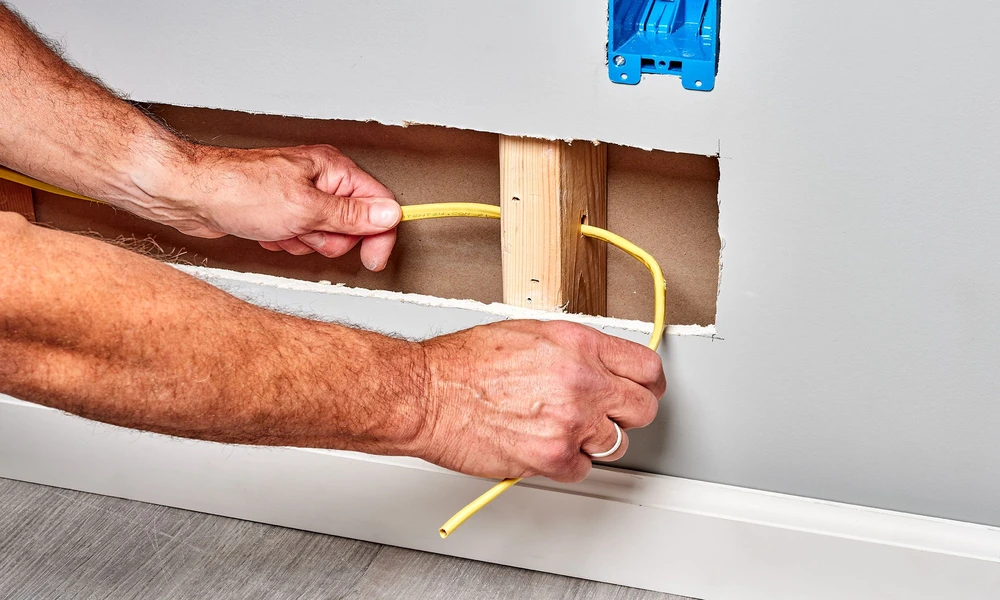
Sometimes a hole is unavoidable. A damaged cable inside a wall cavity, a box that was illegally covered by drywall, or a nail driven through a wire during a remodel may need direct access. The difference is that a methodical diagnosis tells the electrician exactly where to cut, so the opening is small and planned rather than a series of exploratory holes. Some repairs can skip the wall entirely by rerouting through the attic.
Choosing Who Does the Detective Work
Arizona requires a license for most electrical work over $1,000 in labor and materials or any job needing a permit, and homeowners can check any contractor’s standing in a few minutes through the Arizona Registrar of Contractors. That check is worth doing before anyone opens your panel. A careful electrician will explain what each test showed, why a repair is needed and what can safely wait. The best diagnosis leaves you understanding your home’s wiring a little better than you did before the dead outlet ever appeared.
