

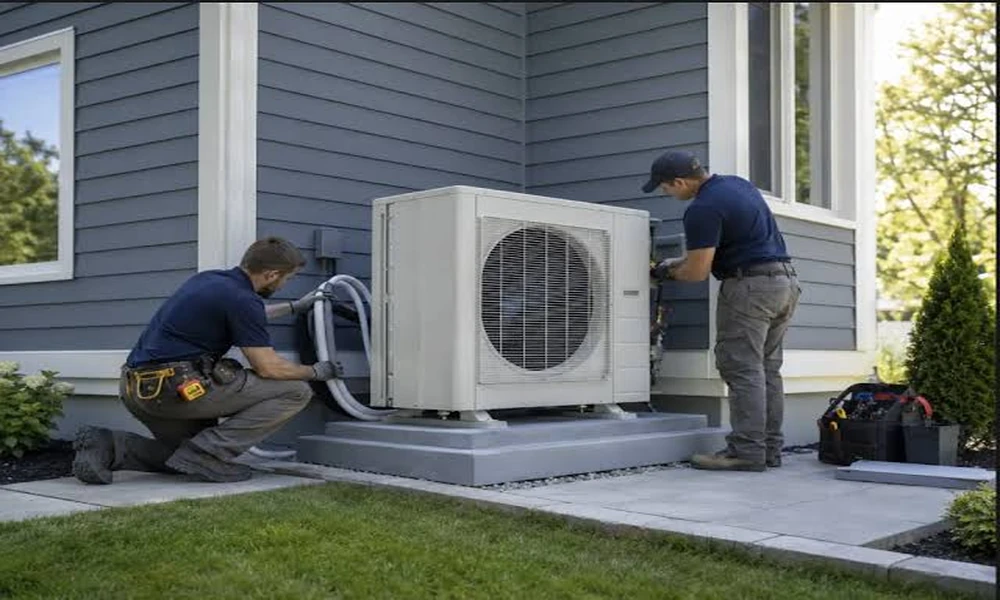
Summer Utility Bills and the Hidden Sources of Energy WasteHigh summer utility bills often catch homeowners by surprise. The air conditioner runs for hours each day, yet the numbers on the statement keep climbing. While hot weather is an obvious factor, it is rarely the only reason costs rise. In many homes, hidden sources of energy waste quietly force cooling systems to work harder than necessary. Identifying these issues can lead to meaningful savings and better comfort without major renovations.Some of the biggest energy drains come from problems that develop gradually-dirty components, restricted airflow, or small mechanical issues that go unnoticed until the monthly bill arrives. Addressing these problems early often involves a combination of simple homeowner habits and professional attention. For residents dealing with rising costs, timely AC repair and maintenance in Chandler can help uncover and correct the underlying causes of excess energy use before they grow more expensive.
Dirty Filters and Restricted Airflow
One of the most common and easily overlooked sources of energy waste is a dirty air filter. When filters clog with dust, pet hair, and debris, airflow drops. The system must run longer to reach the thermostat setting, which increases electricity use. In extreme cases, restricted airflow can cause the evaporator coil to freeze, leading to even higher energy consumption and potential damage.Changing or cleaning filters every one to three months, depending on household conditions, is one of the simplest ways to improve efficiency. Homes with pets, nearby construction, or high dust levels may need more frequent changes. Keeping supply and return vents clear of furniture, rugs, and curtains also supports proper airflow and reduces unnecessary strain on the system.
Neglected Coils and Outdoor Units
The outdoor condenser unit and indoor evaporator coil play major roles in heat transfer. When dirt, leaves, grass clippings, or cottonwood accumulate on the outdoor unit, it cannot release heat effectively. The system compensates by running longer. Indoor coils that collect dust and grime face a similar problem, reducing cooling capacity and driving up energy use.Regular cleaning of the outdoor unit removing debris and gently rinsing the fins-helps maintain performance. Indoor coils usually require professional cleaning because of their location and the risk of damaging delicate components. Skipping these steps year after year is a frequent reason summer bills climb higher than expected.
Leaky or Poorly Sealed Ductwork
In homes with central air conditioning, ductwork can be a major hidden energy drain. Studies have shown that a significant percentage of cooled air can escape through leaks, gaps, and poorly connected joints before it ever reaches the living spaces. The system then works overtime to compensate for the lost air.Duct leaks are especially common in older homes or in systems that have settled over time. Sealing accessible ducts with mastic or approved tape, insulating ducts that run through hot attics, and ensuring returns are properly connected can reduce waste. Professional duct inspection and sealing often deliver some of the best returns on energy savings.
Thermostat Issues and Temperature Settings
A thermostat that is inaccurate, poorly placed, or programmed inefficiently can waste a surprising amount of energy. Units located in direct sunlight, near heat-producing appliances, or in drafty hallways may give false readings, causing the system to run longer than needed. Setting the temperature unrealistically low also forces continuous operation without delivering proportional comfort gains.Using a programmable or smart thermostat allows homeowners to raise the temperature when the house is empty and return to preferred settings before people arrive home. Even a few degrees of adjustment during peak afternoon hours can produce noticeable savings over a full summer.
Aging or Undersized Equipment
As air conditioners age, their efficiency naturally declines. Compressors lose capacity, motors work harder, and refrigerant levels may drop. An older system that once cooled the home adequately may now run almost constantly during hot weather. In some cases, the original unit was never properly sized for the home, leading to short cycling or continuous operation that wastes energy.When repair frequency increases and energy bills keep rising, evaluating the system’s remaining efficiency becomes important. Regular professional maintenance can extend the useful life of equipment and keep performance closer to original levels for longer.
Everyday Habits That Add Up
Several ordinary household practices contribute to higher cooling costs. Leaving lights, electronics, and appliances running adds heat that the air conditioner must remove. Cooking during the hottest part of the day, taking long hot showers, or using heat-producing devices without ventilation increases the cooling load. Closing blinds or curtains on sun-facing windows during peak hours reduces solar heat gain and eases the burden on the system.Ceiling fans help circulate air so thermostats can be set a few degrees higher while maintaining comfort. These small adjustments, repeated daily, often produce measurable reductions in energy use by the end of the season.
The Value of Professional Maintenance
Many hidden sources of energy waste are difficult for homeowners to diagnose on their own. Low refrigerant, failing capacitors, failing blower motors, and improper refrigerant charge require specialized tools and training. A thorough maintenance visit typically includes checking refrigerant levels, cleaning coils, testing electrical components, measuring airflow, and verifying that the system is operating within design parameters.Catching small problems early prevents the kind of progressive efficiency loss that shows up as steadily rising summer bills. Consistent maintenance also reduces the likelihood of mid-season breakdowns when demand for service is highest.
Final Thoughts
Summer utility bills are influenced by more than just outdoor temperatures. Dirty filters, neglected coils, leaky ducts, thermostat problems, aging equipment, and everyday habits all contribute to energy waste that quietly adds up. Identifying and correcting these issues helps air conditioning systems run more efficiently and keeps costs under better control. Combining simple homeowner practices with regular professional attention offers the most reliable path to lower bills and more consistent comfort. Taking action before the hottest months arrive often prevents the largest spikes and protects both comfort and household budgets throughout the season.
